
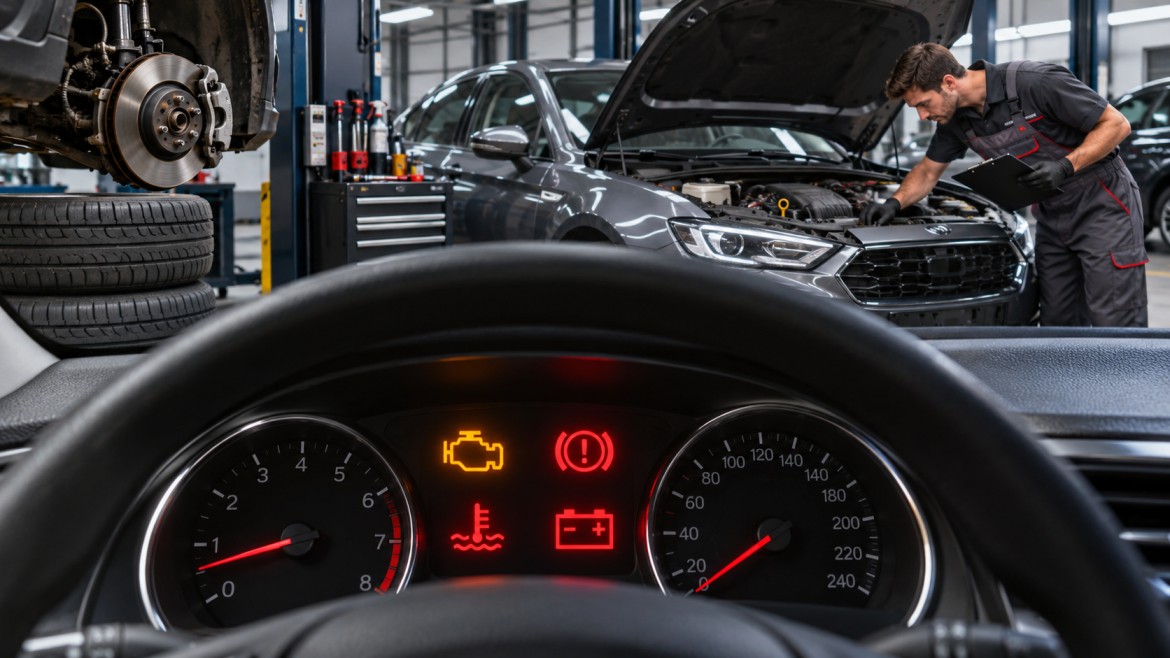
A small noise, an unusual vibration or a warning light on your dashboard might seem harmless at first. However, ignoring these early signs could turn a minor mechanical problem into an expensive repair. Regular maintenance and timely inspections by experienced mechanics in Dandenong can help identify problems before they become serious. At Continental Tyres Dandenong, motorists can access professional vehicle inspections, servicing and mechanical repairs to keep their cars running safely and reliably.
Many drivers wait until something stops working before visiting a mechanic. Unfortunately, car problems rarely disappear on their own. A worn component can affect other parts, increase fuel consumption or leave you stranded when you least expect it.
The good news is that most vehicles give warning signs before a major breakdown. Recognising these signals and taking action early can save you money, reduce unexpected repairs and help extend your car’s lifespan.
Here are seven important warning signs every car owner should know.
1. Strange Engine Noises That Were Never There Before
Your car makes different sounds while driving, but new or unusual noises should never be ignored. Knocking, rattling, ticking or grinding sounds may indicate that something is wrong beneath the bonnet.
A light ticking noise might be related to low engine oil, while a deeper knocking sound could suggest a more serious internal engine problem. Rattling may come from loose components, worn belts or exhaust system issues.
Some sounds become more noticeable when accelerating, turning or starting the engine. Paying attention to when the noise occurs can help a mechanic identify the possible cause.
Common engine noises to watch for
- Knocking: May indicate abnormal combustion or internal engine wear.
- Rattling: Could result from loose components, worn pulleys or exhaust parts.
- Squealing: Often associated with worn or slipping accessory belts.
- Hissing: May indicate a coolant, vacuum or other system leak.
- Grinding: Could suggest worn mechanical components that require inspection.
Ignoring these noises can allow a relatively small issue to develop into extensive engine damage.
A professional inspection can help identify the source before further damage occurs. If the engine begins knocking loudly, loses power or shows signs of overheating, stop driving safely and arrange assistance.
2. Your Car Is Using More Fuel Than Usual
A sudden increase in fuel consumption can be frustrating, especially when petrol prices are already putting pressure on household budgets.
Changes in driving habits, traffic conditions and air-conditioning use can affect fuel economy. However, a noticeable increase without an obvious reason may indicate a mechanical problem.
Dirty air filters, worn spark plugs, incorrect tyre pressure and certain engine sensor faults can make the engine operate less efficiently. Problems with fuel delivery or combustion may also increase consumption.
For example, an engine that is not burning fuel efficiently may require more petrol to deliver the same performance. Over time, these additional fuel costs can add up.
Booking a routine car service in Dandenong appointment can help identify maintenance issues affecting your vehicle’s efficiency.
During a service, a mechanic may inspect filters, fluid levels, ignition components and other systems according to the vehicle’s requirements.
Keeping track of how often you refuel can also help you identify changes in consumption.
Small improvements in vehicle maintenance can make everyday driving more economical while reducing the likelihood of unexpected mechanical problems.
3. Your Brakes Are Squealing, Grinding or Feeling Different
Your braking system is one of the most important safety features in your car. Any noticeable change in braking performance deserves immediate attention.
A high-pitched squealing sound may indicate worn brake pads, although moisture, dust and other factors can sometimes produce similar noises.
Grinding sounds are more concerning because they may indicate that brake friction material has worn away, allowing metal components to make contact.
This can damage brake discs and increase the cost of repairs.
Warning signs of brake problems
- A squealing or grinding sound when braking
- Vibrations through the brake pedal
- A soft or spongy brake pedal
- A vehicle pulling to one side during braking
- Reduced braking performance
- A brake warning light appearing on the dashboard
Professional brake repairs can involve inspecting brake pads, discs, callipers, hydraulic components and brake fluid to determine what needs attention.
Replacing worn brake pads early may help prevent damage to more expensive components.
Braking problems should never be left until the next scheduled service if stopping performance has changed.
If the pedal feels unusually soft, braking becomes difficult or the vehicle cannot stop reliably, avoid driving and arrange professional assistance.
Your safety and the safety of other road users should always come first.
4. Your Tyres Are Wearing Unevenly or Losing Pressure
Tyres are the only parts of your vehicle that maintain direct contact with the road. Their condition influences braking, steering, handling and overall driving comfort.
Uneven tyre wear is often one of the earliest indications that something needs attention.
A tyre wearing heavily on one edge may indicate an alignment problem, while wear across both shoulders may be associated with underinflation.
Excessive wear in the centre can sometimes result from overinflation.
Worn suspension components may also contribute to irregular tyre wear.
Signs your tyres need attention
- Uneven tread wear across the tyre
- Frequent pressure loss
- Visible cracks, cuts or bulges
- Unusual vibrations at certain speeds
- Reduced grip on wet roads
- Tyres reaching their wear indicators
Drivers searching for reliable tyre sales should consider more than the purchase price. Choosing the correct tyre size, load rating and performance characteristics is important for vehicle safety and long-term value.
Tyres that wear prematurely may need replacing earlier than expected, increasing the overall cost of vehicle ownership.
A professional wheel alignment assessment can help determine whether incorrect wheel angles are contributing to uneven wear or steering problems.
Regular pressure checks, tyre rotations where appropriate and suspension inspections can help maximise tyre life.
Drivers should also check tread depth regularly, particularly before long journeys or during Melbourne’s wetter months.
5. Your Car Is Pulling to One Side or Vibrating While Driving
A vehicle that no longer drives straight or feels unusually shaky may have an underlying steering, tyre or suspension problem.
Many drivers gradually become accustomed to these changes. They may find themselves constantly correcting the steering wheel without realising that the vehicle’s handling has deteriorated.
A car pulling to one side can be caused by incorrect tyre pressure, wheel alignment issues, tyre defects or suspension wear. In some cases, a dragging brake may also affect how the vehicle moves.
Vibrations can have several different causes depending on when they occur.
For example:
- Vibration at highway speeds: May be associated with wheel imbalance or tyre problems.
- Shaking while braking: Could indicate brake disc irregularities or other braking issues.
- Vibration during acceleration: May involve drivetrain components.
- Clunking over bumps: Could suggest worn suspension joints or bushes.
- Loose steering response: May indicate wear in steering or suspension components.
Driving with worn steering or suspension parts can affect vehicle stability and tyre contact with the road.
It can also place additional stress on surrounding components.
A mechanical inspection can help identify whether the problem comes from tyres, wheels, steering, suspension or another system.
Addressing these problems early may prevent unnecessary tyre replacement and more complicated mechanical work.
6. Your Clutch Is Slipping or Your Gears Are Becoming Difficult to Change
Manual transmission vehicles rely on a clutch to transfer engine power smoothly to the gearbox.
Over time, clutch components can wear, especially in vehicles regularly driven through heavy traffic or stop-start conditions.
One common warning sign is clutch slipping. This happens when engine speed increases without a matching increase in vehicle speed.
Drivers may notice the engine revving higher than usual while accelerating or travelling uphill.
Other symptoms include difficulty selecting gears, unusual clutch pedal behaviour, shuddering when moving off and burning smells.
These symptoms should be investigated rather than dismissed as normal vehicle ageing.
What can happen when clutch problems are ignored?
A worn clutch may initially make everyday driving uncomfortable. As the condition becomes worse, the vehicle may struggle to accelerate or transfer power effectively.
Some faults can also affect related transmission components, depending on the cause.
Timely clutch repairs Dandenong can help identify whether the issue involves the clutch friction components, hydraulic system, release mechanism or gearbox.
An inspection is important because not every gear-changing problem is caused by the clutch itself.
Continuing to drive with severe clutch slipping can increase heat and wear, potentially leading to additional repair costs.
For drivers who spend considerable time in traffic, noticing changes in clutch performance early is especially valuable.
7. Dashboard Warning Lights Keep Appearing
Modern vehicles have electronic monitoring systems that detect problems affecting the engine, braking system, battery, emissions and other important components.
When a warning light appears, the vehicle is alerting you to a condition that may require attention.
Some lights indicate relatively minor faults, while others warn of serious problems requiring immediate action.
Common dashboard warning lights
Check engine light: May indicate problems involving engine performance, sensors, ignition or emissions-related components.
Battery warning light: Can suggest a charging system fault, such as an alternator or electrical problem.
Oil pressure warning light: May indicate insufficient engine oil pressure, which can cause severe engine damage if driving continues.
Temperature warning light: Can indicate that the engine is overheating.
Brake system warning light: May identify issues involving the parking brake, brake fluid level or braking system.
ABS warning light: Indicates a fault involving the anti-lock braking system, although conventional braking may remain available.
A steady check engine light generally requires prompt investigation, while a flashing light can indicate a more urgent fault.
Red oil pressure or overheating warnings should be treated seriously. Stop safely, switch off the engine when appropriate and seek professional assistance.
Ignoring dashboard warnings can allow faults to worsen and may increase the eventual repair cost.
A mechanic can use suitable diagnostic equipment, inspect related components and determine what repairs are necessary.
How Regular Maintenance Helps Prevent Expensive Car Repairs
Not every mechanical problem can be prevented, but routine maintenance reduces the risk of avoidable breakdowns and premature component wear.
A vehicle requires more than occasional oil changes to remain reliable.
Engine fluids, filters, tyres, brakes, belts, hoses and suspension components all need attention at different intervals.
Following the manufacturer’s recommended logbook service schedule helps ensure important maintenance tasks are completed at the appropriate time or distance.
Routine servicing can also provide an opportunity to identify worn components before they affect other systems.
For example, detecting a coolant leak early may prevent an overheating incident. Replacing a deteriorating belt before it fails can also help avoid an unexpected breakdown.
The right maintenance schedule depends on the vehicle’s age, mileage, manufacturer requirements and driving conditions.
Cars regularly used for short trips, heavy traffic, towing or demanding conditions may require additional attention.
Maintaining accurate service records can also be useful when selling your vehicle because prospective buyers can see how it has been maintained.
Simple Maintenance Habits Every Driver Should Follow
Drivers can reduce the risk of expensive repairs by making a few practical checks part of their routine.
- Check tyre pressures regularly and before long journeys.
- Monitor engine oil and coolant levels according to the owner’s manual.
- Pay attention to unusual noises, smells or vibrations.
- Replace worn wiper blades to maintain visibility.
- Avoid ignoring warning lights.
- Follow recommended service intervals.
- Have brake or steering changes inspected promptly.
- Keep records of completed maintenance and repairs.
These habits take relatively little effort but can make a meaningful difference to vehicle reliability.
The Real Cost of Delaying a Car Repair
Putting off a repair may seem like a way to save money, particularly when the vehicle still appears to drive normally.
However, one failing component can sometimes create problems elsewhere.
For example, worn brake pads may damage brake discs, while incorrect tyre pressures or suspension faults can contribute to premature tyre wear.
An unresolved cooling system leak may eventually cause overheating and extensive engine damage.
The longer a problem continues, the greater the possibility that additional parts will be affected.
Delayed maintenance can also lead to unexpected breakdowns, towing expenses and time away from work or family commitments.
Early diagnosis does not always mean an expensive repair is necessary. Sometimes an adjustment, routine replacement or straightforward maintenance task is enough to correct the issue.
A qualified mechanic can explain which problems require immediate attention and which maintenance items can be planned for later.
Making informed decisions early is often more practical than waiting for a complete mechanical failure.
Book a Professional Car Inspection in Dandenong
Your vehicle often gives subtle warnings before a major problem develops. Recognising unusual noises, worn tyres, braking changes, warning lights and performance issues can help you avoid unnecessary repair expenses.
At Continental Tyres Dandenong, our team provides vehicle servicing, mechanical inspections, brake and clutch work, tyre services and suspension repairs to help keep your car safe and reliable.
We welcome motorists from Cranbourne, Keysborough, Noble Park, Berwick, Narre Warren, Rowville, Hallam, Hampton Park, Endeavour Hills and Springvale, along with surrounding south-east Melbourne suburbs.
Visit our workshop at 20 Plunkett Road, Dandenong VIC 3175, or call 03 9791 8841 to discuss your vehicle’s warning signs or book a professional inspection.
Don’t wait for a small warning sign to become a major repair bill. Get your car checked before the problem gets worse.