
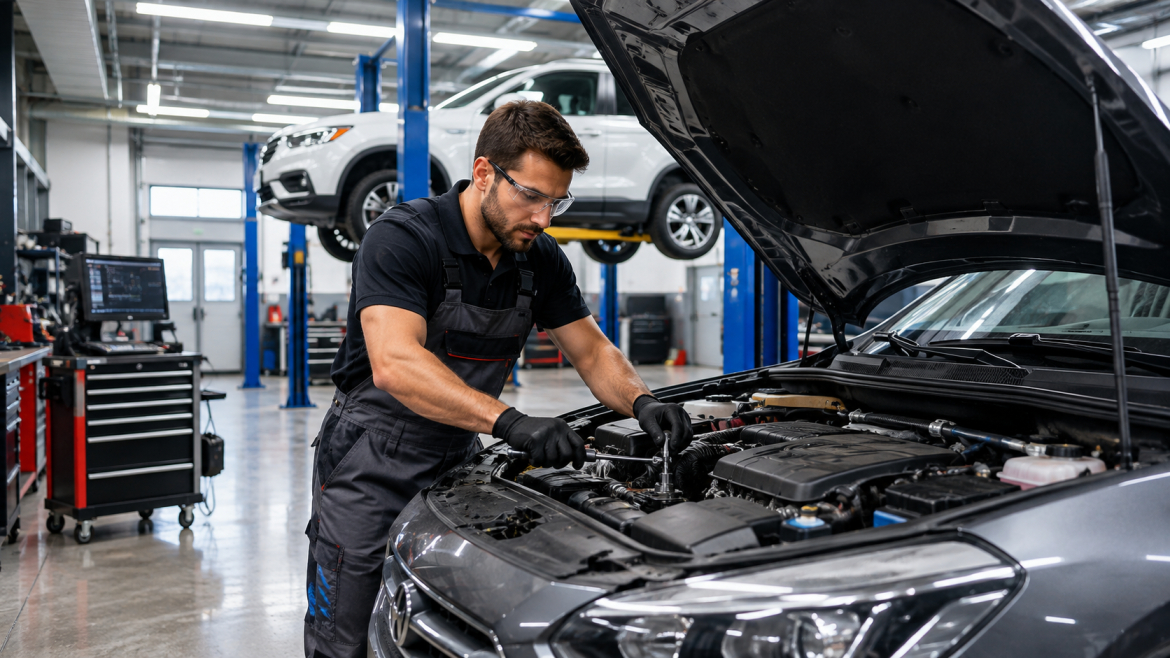
Summer in Australia can bring hot temperatures, long road trips and busy days on the road. Preparing your vehicle for the warmer months helps reduce the risk of unexpected breakdowns and keeps your car running smoothly. Visiting a reliable mechanic in Dandenong before summer is a practical way to identify potential issues, check important components and ensure your vehicle is ready for everyday driving and holiday travel.
At Continental Dandenong, drivers can access professional automotive care to help maintain their vehicles throughout the year. A few essential maintenance checks before the temperature rises can make a significant difference to your car’s performance, safety and reliability.
1. Check Your Car’s Cooling System
Your car’s cooling system plays an important role in maintaining the correct engine temperature. During summer, higher outside temperatures can place additional demands on the system, particularly when driving in traffic or travelling long distances.
Check the coolant level when the engine is completely cool and look for visible leaks around the radiator, hoses and connections. Coolant should be maintained according to the vehicle manufacturer’s recommendations. Cracked hoses, damaged connections or low coolant levels may indicate a problem that needs professional attention.
An overheating engine should never be ignored. If the temperature warning light appears or steam comes from under the bonnet, pull over somewhere safe, switch off the engine and allow it to cool. Never remove the radiator cap while the engine is hot.
A professional inspection before summer can help identify cooling system problems early and reduce the risk of costly engine damage.
2. Inspect Your Air Conditioning System
A properly functioning air conditioning system makes summer driving more comfortable, especially during hot afternoons and long journeys. If your air conditioner takes too long to cool the cabin, produces unusual smells or blows warm air, it may need attention.
Several issues can affect air conditioning performance, including refrigerant leaks, blocked cabin filters, electrical faults and worn components. A restricted cabin air filter can also reduce airflow through the vents.
Before summer arrives, test your air conditioning system and check whether it cools the cabin effectively. If performance has declined, arrange an inspection to identify the cause rather than simply assuming the system needs regassing.
Keeping the cabin comfortable can also help drivers remain focused during long trips. Addressing air conditioning issues early is particularly useful before holiday travel and periods of extreme heat.
3. Check Tyre Pressure and Condition
Tyres are essential for maintaining grip, stability and braking performance. Hot weather, long drives and heavy loads can make tyre maintenance particularly important during summer.
Check the tyre pressure regularly, following the recommended figures in your vehicle’s handbook or on the tyre placard. Avoid relying on the maximum pressure printed on the tyre sidewall as your normal operating pressure.
Inspect the tread for uneven wear, cuts, cracks, bulges and embedded objects. Tyres with insufficient tread may struggle to maintain traction, particularly on wet roads during summer storms.
It is also worth checking the spare tyre, if your vehicle has one, and ensuring the required tools are available. If you notice uneven tyre wear, the wheels may need alignment or there could be an issue with the suspension.
Regular tyre inspections help identify potential problems before they affect your journey and contribute to safer driving conditions.
4. Test the Battery Before the Hot Weather Arrives
Many drivers associate battery problems with winter, but summer heat can also affect battery life. High temperatures can accelerate battery deterioration, increasing the likelihood of starting difficulties or an unexpected failure.
Watch for warning signs such as slow engine cranking, dim headlights, dashboard warning lights or electrical components that do not operate as expected. Batteries that are several years old may benefit from a professional condition test.
During an inspection, a technician can check the battery’s condition, charging performance and electrical connections. Corrosion around the terminals should also be assessed and addressed safely.
If you are planning a long road trip, checking the battery beforehand is a sensible precaution. Replacing a weak battery at the right time can help prevent the inconvenience of being stranded away from home.
5. Replace Engine Oil and Check Fluid Levels
Engine oil lubricates moving parts, helps manage heat and reduces friction inside the engine. Over time, oil becomes contaminated and loses some of its effectiveness, making regular maintenance essential.
Check your vehicle’s oil level according to the manufacturer’s instructions and look for signs of leaks. If an oil change is due, arrange it before undertaking extended summer travel.
Other important fluids include brake fluid, coolant, transmission fluid and windscreen washer fluid. Not every fluid can or should be checked in the same way, so follow the vehicle handbook and seek professional assistance where required.
Using the correct fluids and maintaining appropriate levels helps protect important components and supports reliable vehicle operation.
A scheduled car service in Dandenong can include checks of key fluids and other maintenance items, based on your vehicle’s age, mileage and manufacturer requirements.
6. Inspect the Brakes for Safe Summer Driving
Brakes need to work effectively in all weather conditions, particularly when roads become busy during holiday periods. Heavy traffic, frequent stopping and travelling through unfamiliar areas can place additional demands on the braking system.
Pay attention to squealing, grinding noises, vibrations through the brake pedal or a change in braking response. These symptoms may indicate worn brake pads, damaged discs or another issue that needs investigation.
A brake inspection can help identify wear and potential faults before they become more serious. Brake fluid should also be maintained according to the manufacturer’s service schedule.
If your vehicle pulls to one side when braking or the pedal feels unusually soft, arrange an inspection promptly. Do not delay repairs when braking performance appears compromised.
Reliable brakes are essential for responding safely to changing traffic conditions and unexpected hazards on the road.
7. Check Windscreen Wipers and Visibility
Summer weather in Victoria can change quickly, with heavy rain and thunderstorms occurring even after warm, sunny days. Clear visibility is important whenever you are driving.
Inspect the windscreen wiper blades for cracks, splitting or signs of deterioration. Worn blades may leave streaks, make unusual noises or fail to clear water effectively.
Top up the windscreen washer reservoir with a suitable cleaning fluid and check that the spray nozzles work correctly. It is also worth cleaning the inside and outside of the windscreen to reduce glare from bright sunlight.
Check that all exterior lights, including headlights, brake lights and indicators, are functioning properly. Clean lenses can also improve visibility for you and help other road users see your vehicle.
These simple checks can make everyday driving safer and help you prepare for sudden changes in weather.
8. Examine Belts, Hoses and Other Engine Components
Belts and hoses perform important functions throughout your vehicle. Depending on the design, belts may drive components such as the alternator or air conditioning compressor, while hoses carry coolant and other fluids.
Look for visible signs of wear, including cracking, fraying, bulging or leaks. Unusual squealing sounds from the engine bay may also indicate a belt-related problem.
Some components are difficult to inspect without specialist equipment or access, so a professional assessment is useful when you notice unusual noises or performance changes.
Timing belt replacement is particularly important on vehicles that use a belt-driven timing system. Follow the manufacturer’s specified replacement interval, as failure can result in serious engine damage on some engines.
Addressing worn components before they fail can help reduce the chance of an inconvenient breakdown during summer travel.
9. Prepare Your Vehicle for Long Summer Trips
Summer often brings road trips, family holidays and weekend drives. Before travelling long distances, take time to assess your vehicle’s overall condition.
Make sure the tyres are correctly inflated, the brakes operate properly and the engine oil and other required fluids are at suitable levels. Confirm that the air conditioning works effectively and that all lights are functioning.
Plan your journey with regular rest breaks, particularly when travelling during hot weather. Carry drinking water, keep essential emergency supplies available and check traffic and weather conditions before leaving.
Avoid overloading your vehicle beyond its specified limits, as excess weight can affect handling, braking and tyre performance. If you are carrying luggage or travelling with passengers, ensure everything is secured safely.
For older vehicles or cars that have not been serviced recently, a pre-trip inspection can help identify concerns before you set off.
10. Follow Your Vehicle’s Recommended Maintenance Schedule
Every vehicle has different maintenance requirements depending on its make, model, age, mileage and driving conditions. Following the manufacturer’s recommended schedule helps ensure that important maintenance tasks are completed at the appropriate intervals.
Regular servicing can identify developing problems, monitor the condition of key components and help maintain your vehicle’s reliability. It also provides an opportunity to discuss unusual noises, warning lights or changes in performance with a qualified technician.
Keep records of completed servicing and repairs so you can track upcoming maintenance requirements. If you mainly drive short distances, regularly travel in heavy traffic or carry heavy loads, ask whether your driving conditions affect the recommended maintenance schedule.
Preventative maintenance is generally easier to manage than dealing with an unexpected breakdown during a busy summer period.
Get Your Vehicle Summer-Ready with Continental Dandenong
Preparing your car for summer does not need to be complicated. Checking the cooling system, air conditioning, tyres, battery, brakes and essential fluids can help you identify potential problems before they interrupt your plans.
Continental Dandenong provides automotive servicing, mechanical repairs, tyre services, wheel alignment, brake inspections and suspension services to help drivers maintain their vehicles. Whether your car needs routine maintenance or attention to a specific concern, a professional inspection can help you understand its condition and the work required.
If your vehicle is due for maintenance or you want to prepare for a summer road trip, contact Continental Dandenong on 03 9791 8841 to discuss your vehicle’s servicing needs and arrange an appointment.
Taking care of your car before summer arrives can help you enjoy greater confidence on the road, reduce the risk of avoidable issues, and keep your vehicle ready for the journeys ahead.