
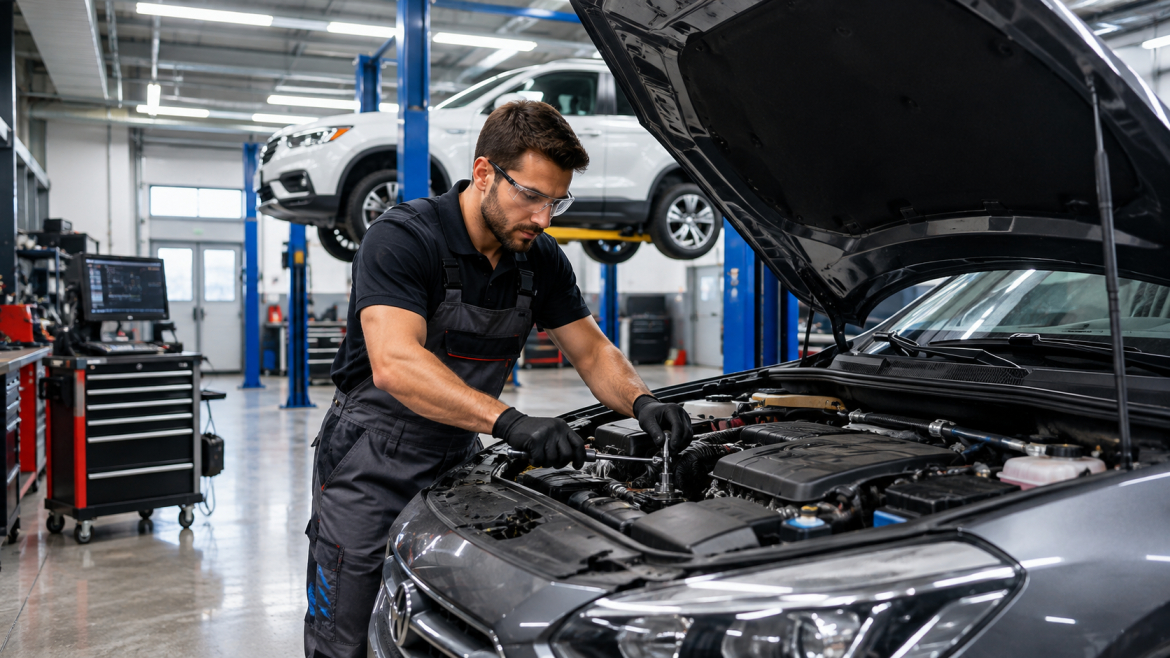
As winter comes to an end, spring is a good time to check how your vehicle has handled the colder and wetter months. Booking a car service in Springvale can help identify worn parts, fluid issues, tyre problems and other concerns before they turn into larger repairs. A seasonal inspection is also useful before the warmer months bring more weekend trips, longer drives and busier roads.
Why Check Your Car After Winter?
Winter can put extra pressure on many parts of a vehicle. Cold mornings, wet roads, potholes and frequent short trips can affect the battery, tyres, brakes, suspension and engine fluids.
Some problems may be obvious, while others develop slowly without giving you a clear warning. A spring inspection provides an opportunity to look at the vehicle as a whole and deal with smaller concerns before they become more difficult or expensive to manage.
Here are eight important checks Springvale drivers should consider this spring.
1. Check Your Tyres
Your tyres are one of the most important parts of your vehicle when it comes to road contact, braking and steering. Winter driving can make existing tyre wear more noticeable, particularly after regular travel on wet roads or over uneven surfaces.
Inspect the tread for uneven wear, bald patches, cracks, cuts or other visible damage. Tyre pressure should also be checked regularly and adjusted according to the vehicle manufacturer’s recommendations.
Pay attention to changes in the way the car feels while driving. Vibrations, pulling to one side or unusual handling can sometimes point to an alignment, balancing or suspension issue.
If one tyre appears to be wearing faster than the others, it is worth having the cause investigated rather than simply replacing the tyre.
2. Inspect the Brakes
Brake components gradually wear with use, and winter driving may involve more frequent braking on wet or slippery roads.
Listen for unusual sounds such as squealing, grinding or scraping. Also notice whether the brake pedal feels different or whether the vehicle takes longer to stop than usual.
A vehicle that pulls to one side during braking may also need further inspection.
Brake pads, discs, fluid and other braking components can be checked during a professional inspection. Addressing worn parts early can help avoid further damage and maintain reliable braking performance.
3. Test the Battery
Cold weather can be hard on car batteries, especially when the vehicle is used for short journeys. A battery that has struggled through winter may continue to work for a while before failing unexpectedly.
Common warning signs include slow engine cranking, dim headlights, electrical issues or needing several attempts to start the vehicle.
Spring is a useful time to check battery condition and the charging system. A battery test can provide a clearer idea of whether it is still performing within the expected range.
Checking the battery terminals for corrosion and making sure the connections are secure can also form part of the inspection.
4. Check Engine Oil and Other Fluids
Fluids are essential to the operation of many vehicle systems. After winter, check engine oil, coolant, brake fluid, transmission fluid and windscreen washer fluid where appropriate.
Oil helps lubricate the engine’s internal components, while coolant helps control engine temperature. Brake fluid plays a vital role in the braking system.
Low fluid levels may have a simple explanation, but repeated loss of fluid can indicate a leak or another issue that should be investigated.
Check underneath the vehicle for fresh stains or puddles, particularly if you have noticed unusual smells or changes in performance.
5. Inspect the Suspension and Steering
Winter roads can expose a vehicle to potholes, road imperfections and uneven surfaces. Hitting a significant pothole can affect suspension components, wheel alignment and steering.
Look out for symptoms such as:
- A vehicle that pulls to one side
- A steering wheel that sits off-centre
- Knocking or clunking sounds over bumps
- Excessive bouncing
- Uneven tyre wear
- Increased steering vibration
These signs can point to different problems, so a proper inspection is useful before replacing any components.
Maintaining suspension and steering components can help support stable handling and comfortable driving.
6. Check Windscreen Wipers and Lights
Winter often means increased use of wipers and demisters. By spring, worn wiper blades may leave streaks or fail to clear water effectively.
Inspect the rubber blades for cracks, hardening or damage. Replace them when they no longer provide a clear sweep across the windscreen.
Exterior lights should also be checked. Make sure headlights, indicators, brake lights, reversing lights and number plate lights are working correctly.
Good visibility remains important throughout the year, even when rainfall begins to ease. Clean windows and properly functioning lights can help you see and be seen in different driving conditions.
7. Test the Air Conditioning
Warmer spring days mean your air conditioning will soon become more important. After spending much of winter using the heating system, it is worth checking whether the air conditioning still cools the cabin effectively.
Turn it on and allow some time for the temperature to drop. Weak airflow, warm air, unpleasant smells or unusual noises can indicate that the system needs attention.
The cabin filter should also be considered. A dirty or blocked filter can restrict airflow and contribute to unpleasant smells inside the vehicle.
Testing the air conditioning before summer arrives can give you time to arrange repairs without discovering a problem during the first very hot day.
8. Check for Warning Lights and Faults
Dashboard warning lights should always be taken seriously. Some may indicate a minor issue, while others can relate to the engine, brakes, battery, temperature or electronic systems.
If a warning light has appeared recently, note when it comes on and whether it is accompanied by other symptoms.
A diagnostic scan can help identify stored fault codes and provide information about which system may require further investigation. However, a code alone does not always confirm which component has failed. Additional testing may still be necessary.
Do not simply clear a warning light without finding out why it appeared.
Look for Signs of Water or Moisture Damage
The transition from winter to spring is also a good time to check for moisture-related problems.
Inspect door seals, windows, carpets and the boot area for signs of dampness. A musty smell, wet carpet or visible water marks can indicate that water is entering the cabin.
Check the boot and spare wheel area as well, as leaks can sometimes remain hidden for a long time.
Moisture inside a vehicle can contribute to mould, corrosion and electrical problems when left untreated.
Check Your Cabin and Engine Air Filters
Air filters can become dirty over time, particularly if your vehicle is driven regularly in dusty or congested areas.
A blocked engine air filter can affect airflow to the engine, while a dirty cabin filter can reduce the quality and volume of air entering the passenger compartment.
Your vehicle manufacturer’s service recommendations will generally provide guidance on when filters should be inspected or replaced.
Including filter checks as part of routine maintenance can help keep the vehicle operating efficiently.
Consider Your Vehicle’s Service Schedule
Spring is a useful reminder to check when your next scheduled service is due. Vehicle servicing intervals vary depending on the make, model, age, kilometres travelled and manufacturer’s recommendations.
Some vehicles require servicing based on both time and distance, meaning a car may be due for maintenance even if it has not travelled a large number of kilometres.
Keeping up with scheduled servicing can help monitor wear, identify developing problems and maintain a record of important maintenance work.
Prepare for Spring Road Trips
Spring often brings more weekend travel, family outings and longer drives. A vehicle that has mostly been used for short local trips may need additional attention before a longer journey.
Before setting off, check tyre pressure, fluid levels, lights, wipers and brakes. Make sure the spare tyre or tyre repair equipment is accessible and that important roadside assistance information is easy to find.
Allowing time for a pre-trip inspection is much easier than dealing with an avoidable vehicle problem several hours from home.
Why Preventative Maintenance Matters
Vehicle maintenance is easier when small problems are dealt with before they develop into larger ones.
A worn component may affect other parts of the vehicle, while a small fluid leak can become more serious when ignored. Early diagnosis can also make it easier to plan repairs and manage costs.
A seasonal vehicle check does not guarantee that a breakdown will never happen, but it can help identify common areas of concern and keep your car in better overall condition.
Choosing a Local Automotive Workshop
When your vehicle needs servicing or repairs, it is helpful to choose a workshop that can inspect the car properly and explain the recommended work clearly.
Experienced mechanics in Springvale can assess a range of vehicle systems and help identify problems that may not be obvious during everyday driving.
Ask for a clear explanation of any recommended repairs and whether the work is urgent or can be scheduled for a later date.
Give Your Car a Spring Reset
The end of winter is a practical time to give your vehicle some attention before the warmer months become busier. Checking tyres, brakes, battery, fluids, steering, suspension, air conditioning and warning lights can help you identify areas that need maintenance.
Continental Dandenong provides vehicle servicing, inspections and mechanical repairs for drivers in the local area. Regular maintenance can help you stay informed about your vehicle’s condition and address developing issues before they become more complicated.
Spring is a good opportunity to reset your vehicle maintenance routine and prepare for the months ahead. A little attention now can help you approach longer drives, warmer weather and everyday commuting with greater confidence.
For servicing, inspections or vehicle maintenance, contact our experienced mechanics team on 0397918841.